

Customer acquisition costs keep climbing
The budget is spread across campaigns without enough clarity on which products are profitable, contribution margins, returning customers, or which traffic is most likely to convert.
Ecommerce growth strategy for UK retailers
Ecommerce growth rarely comes from buying more traffic alone. We review acquisition, product pages, storefront performance, checkout, and measurement together to identify where sales are being lost and where the strongest growth opportunities sit.
Where growth gets stuck
A store can attract more visitors without generating enough profitable growth. Several smaller issues often work together – from traffic quality and product confidence to mobile friction and unclear measurement.
The budget is spread across campaigns without enough clarity on which products are profitable, contribution margins, returning customers, or which traffic is most likely to convert.
Visitors reach the store but do not get enough detail, reassurance or confidence around the product, delivery, returns, or final purchase decision.
Slow pages, navigation, variants, cart behaviour or checkout friction can interrupt the route to purchase at the point where intent is highest.
Advertising platforms, analytics, and store data can tell different versions of the same story, making it difficult to know where budget and effort should go next.
What better looks like
The strongest ecommerce growth strategies connect how people discover a product, decide it is right, and complete the order, and how the business measures the result. The priority should depend on the biggest commercial constraint – not on a pre-set channel plan.
Improve campaign structure, product feeds, search visibility and audience choices around the products and customer groups that matter most.
Make product information, imagery, variants, delivery, returns and social proof easier to understand at the moments buyers need reassurance.
Review mobile performance, navigation, collection pages, product pages, cart and checkout so high-intent visitors have a clearer path to complete the order.
Connect store data, analytics, and advertising signals so decisions are based on commercial context rather than platform-reported revenue alone.
One connected buying journey
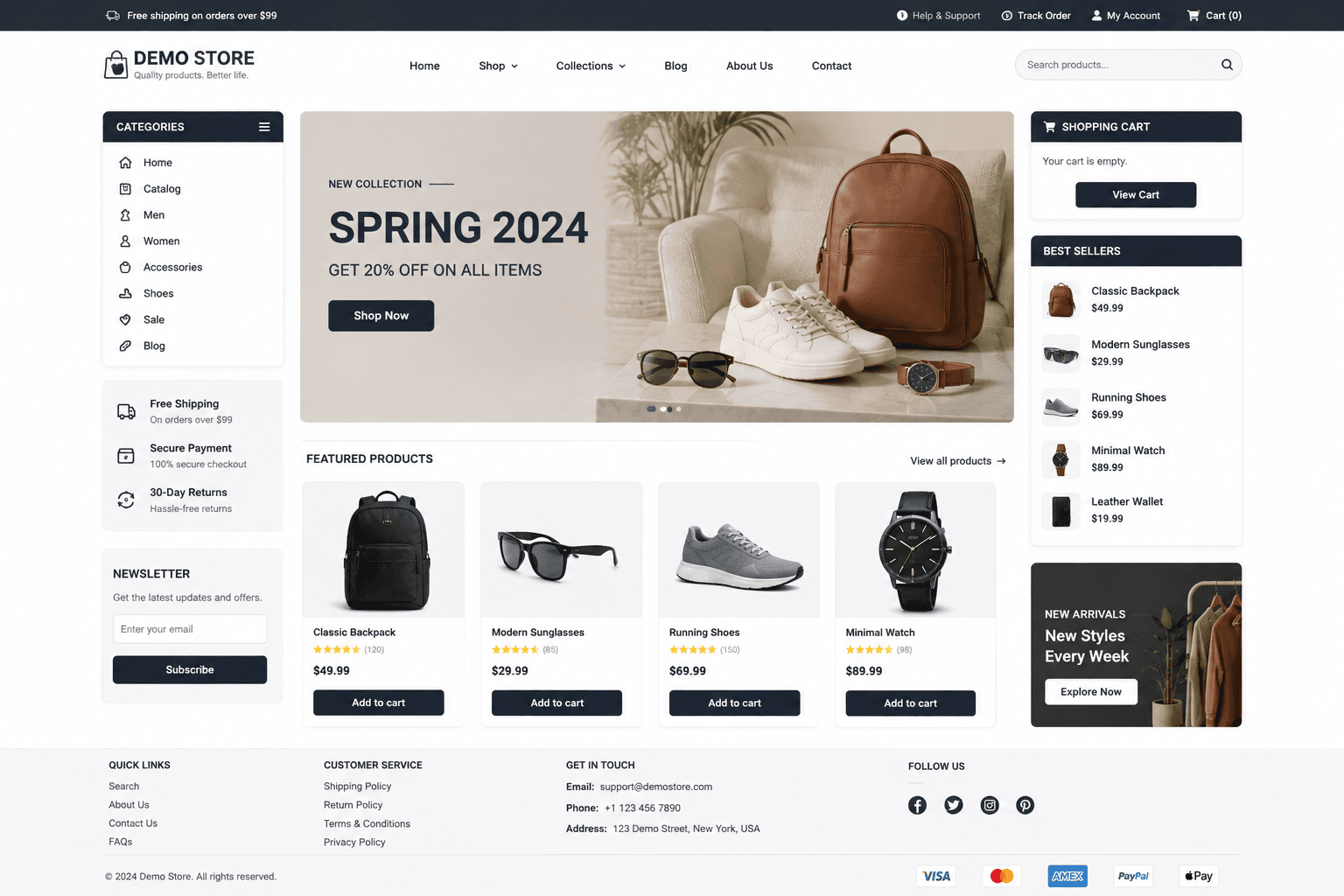
Traffic, shopfront experience and measurement should not be treated as separate projects. A campaign can bring the right shopper to the wrong page, while a strong product page can still underperform if mobile speed, checkout or tracking is weak. We look at the journey as one system, so ecommerce growth solutions are prioritised around the point most likely to make a commercial difference.

A clear first move
Before recommending a service, we look at how the store makes money, how customers move from discovery to checkout, and where the strongest evidence of lost performance appears.
Review the product range, average order value, margin considerations, repeat purchase potential, and operational constraints.
Assess acquisition sources, landing destinations, collections, product pages, mobile behaviour, cart, checkout and post-purchase measurement.
Identify whether the first priority sits in campaigns, feeds, search visibility, content, development, conversion, or tracking.
Recommend a practical sequence of changes, with a clear reason for each action and a way to measure whether it improves performance.
Connected services
The service mix depends on the bottleneck, not on a pre-set bundle. We identify what is limiting ecommerce growth first, then connect the work to the service most likely to move that part of the buying journey forward.
Improve storefront structure, product journeys, site performance and technical foundations to create a clearer route to purchase.
Explore Shopify DevelopmentReach high-intent shoppers through Search, Shopping and Performance Max campaigns built around product priorities and commercial goals.
Explore Google Ads ManagementBuild demand, test creative, reach new audiences and reconnect with potential customers through structured prospecting and remarketing.
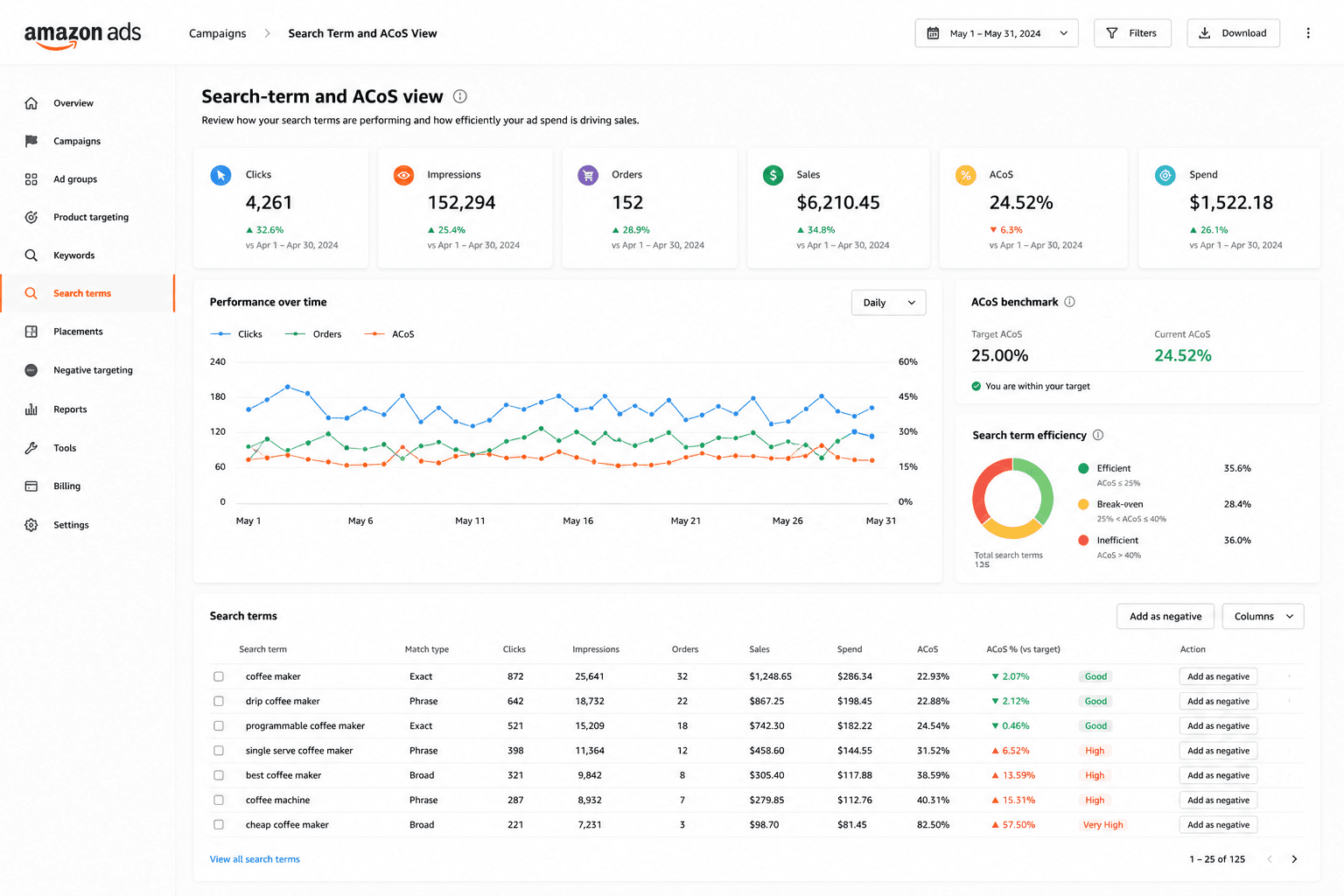
Explore Paid Social AdvertisingImprove marketplace visibility and product discovery with more structured Amazon advertising and controlled ad spend.
Explore Amazon PPCFit matters
A useful first conversation should establish whether there is enough commercial and behavioural context to make sensible recommendations before anyone proposes an ecommerce growth service or channel plan.
Relevant proof
Explore relevant case studies to see the commercial problem, the work completed, and the context behind the outcome. We use verified examples to show how acquisition, search, development, or conversion work supported a real business – not to promise the same result for every store.
Questions before you enquire
If the right answer depends on your circumstances, we say so.
Start with the real problem
Tell us which products matter, where sales feel inconsistent, and what your current reporting says. We will review the route from acquisition to checkout and recommend a practical starting point based on the evidence available.
01Your enquiry is read by a person.
02We review the context before suggesting a service.
03You receive a clear recommendation on the next step.