

The Offer Is Not Clear Quickly Enough
Visitors should be able to understand who the offer is for, what problem it solves, and what to do next without decoding vague marketing language.
Website conversion improvement for UK businesses
If your website already attracts relevant traffic but too few visitors enquire, book or buy, the problem may be in the journey itself. We review where people lose clarity, confidence or momentum, then prioritise the changes most likely to improve website conversion.
The basics
Website conversion optimisation is the process of improving the pages and journeys that turn relevant visitors into useful actions such as enquiries, calls, bookings or purchases. It looks at clarity, trust, usability, forms, mobile experience, traffic intent and measurement. The aim is not to change everything – it is to find the biggest source of friction and fix the right problem first.
What it looks at
Conversion friction
Visitors rarely explain why they leave without acting. The clues usually sit across message clarity, page structure, proof, mobile usability, forms, technical performance and the quality of the traffic arriving.
Visitors should be able to understand who the offer is for, what problem it solves, and what to do next without decoding vague marketing language.
Reviews, results, process information and reassurance need to appear close to the decisions where visitors are most likely to hesitate.
Dense layouts, difficult navigation, slow pages, or awkward forms can turn a simple enquiry into unnecessary work on a phone.
A form submission or purchase is useful, but better decisions come from knowing which page, message, device, and traffic source helped or blocked the journey.
What better looks like
Improving website conversion is not about random button changes. It is a structured process of making the offer easier to understand, increasing confidence, reducing friction, and measuring whether the customer journey improves.
Make the audience, problem, value, and next step obvious so the right visitor can quickly decide whether the offer fits.
Place reviews, proof, process information, FAQs and expectation-setting close to the moments where a visitor needs reassurance.
Improve calls to action, forms, mobile interactions, and page flow so the next step feels simple, then track meaningful conversions rather than vanity clicks.
Before and after
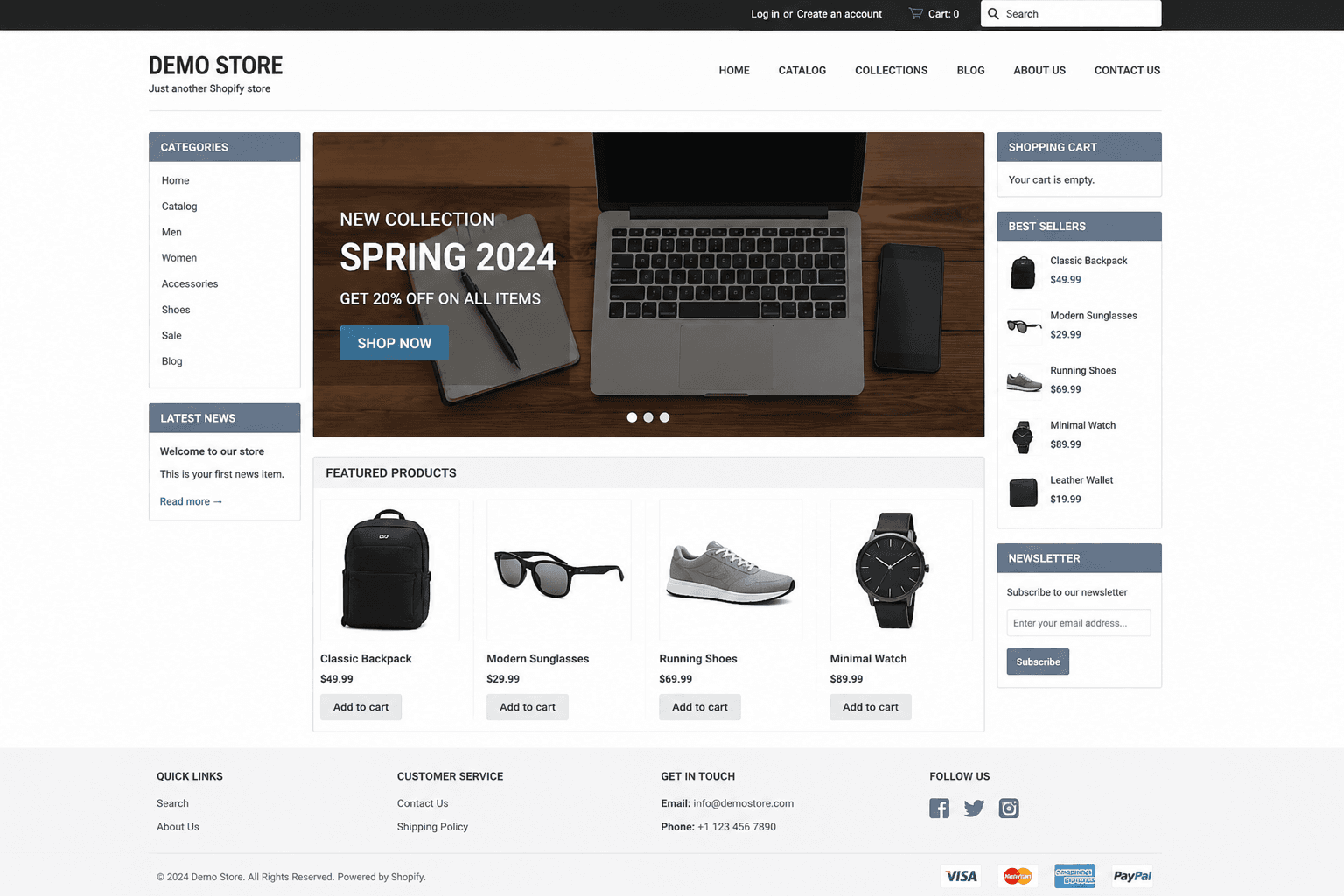
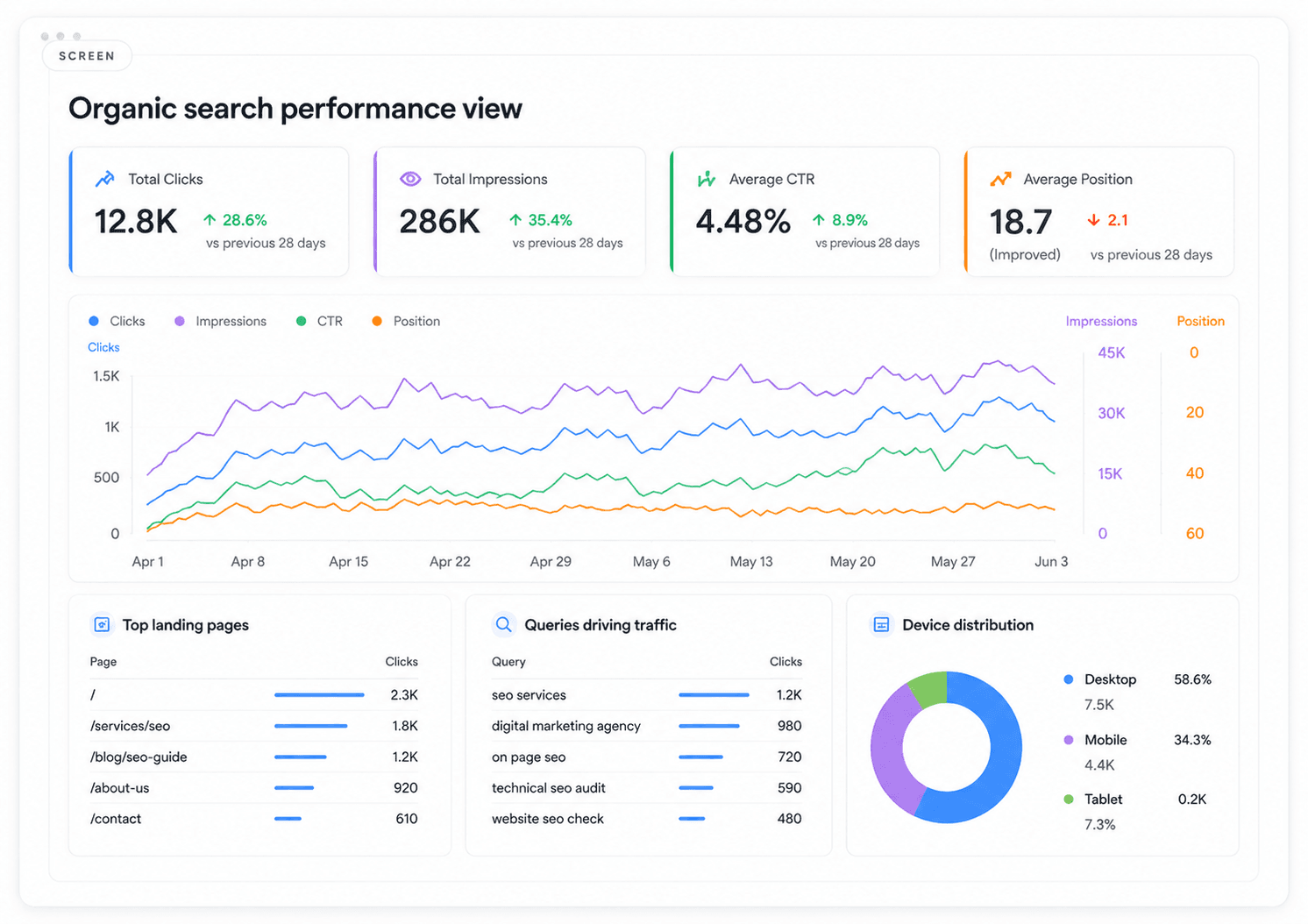
When we show a before-and-after, it sets out the original conversion problem, the change made and the verified outcome, with the page, date range, traffic context and the action measured.

A clear first move
The review combines business context, analytics, and direct inspection of the customer journey so recommendations are prioritised by evidence, likely value, and implementation effort.
Agree which enquiries, calls, bookings, purchases or other actions have genuine commercial value and how quality will be judged.
Review landing pages, devices, traffic sources, navigation, forms, drop-off points and whether the existing tracking can be trusted.
Rank content, design, UX and development changes by likely value, confidence and effort so the team knows what to address first.
Release the agreed improvements, check the data and customer feedback, then use the evidence to decide what should happen next.
Connected services
Website conversion problems often cross service boundaries. Once the main source of friction is clearer, the right route may involve development, ecommerce improvements, maintenance, or acquisition alignment rather than a pre-set package.
Improve page structure, usability, forms and conversion paths when the website itself is limiting enquiries.
Explore WordPress DevelopmentImprove product discovery, trust, product-page clarity and checkout journeys when ecommerce visitors are not progressing to purchase.
Explore Shopify DevelopmentFix forms, broken interactions, performance issues, and ongoing technical friction that can interrupt the path to conversion.
Explore Website MaintenanceAlign search intent, ad messaging, landing pages, and conversion tracking so paid traffic arrives with the right expectation.
Explore Google Ads ManagementFit matters
Website conversion work is most useful when there is enough relevant traffic to learn from, a valuable action to measure, and a team that can implement changes. We establish that before recommending a programme.
Relevant proof
Good conversion proof should explain the starting problem, what changed, the traffic or measurement context, and the verified outcome. We use real case studies rather than isolated percentage claims.
Questions before you enquire
If the right answer depends on your circumstances, we say so.
Start With the Real Conversion Problem
Share the pages that matter, the traffic they receive, and the enquiries, bookings, or purchases you want more visitors to complete. We will review the context, identify the most credible source of friction, and recommend the most useful next step.
01Your enquiry is read by a person.
02We review the context before suggesting a service.
03You receive a clear recommendation on the next step.